AI for Arabic & Darija: Language Tools for Moroccan Users
How well does AI handle Arabic and Moroccan Darija? An honest guide to language tools, chatbots and voice AI for Moroccan users, plus tips to get better results.
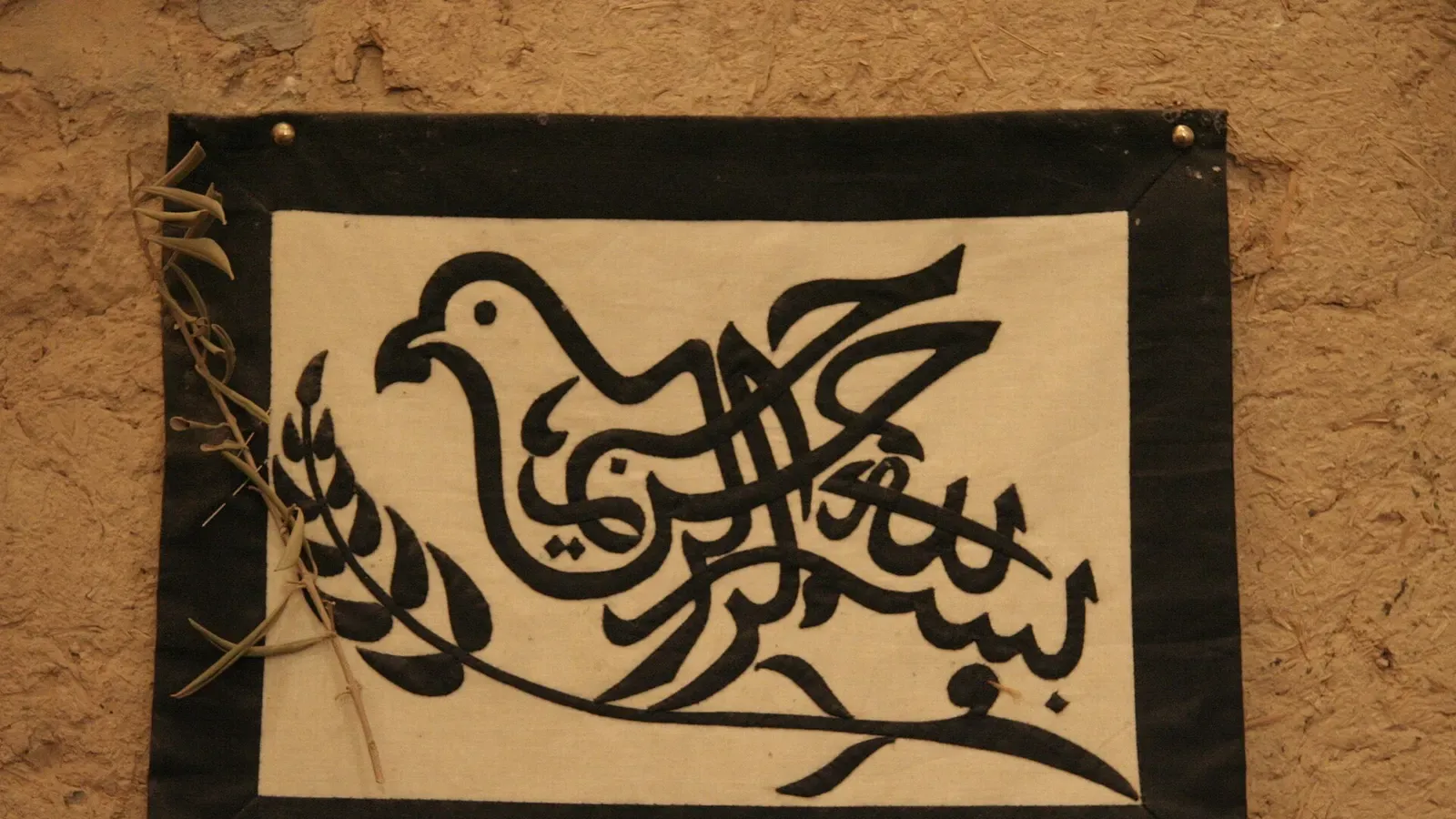
Type a question in Darija into a mainstream chatbot and you will get a revealing result: sometimes it nails it, sometimes it answers in stiff Modern Standard Arabic, and sometimes it invents phrasing no Moroccan would ever use. That inconsistency is the whole story of AI and Moroccan languages in 2026. It is genuinely useful and genuinely limited, and knowing which is which will save you a lot of frustration.
Why Moroccan languages are hard for AI
Morocco is multilingual in a way that trips up tools built English-first. Modern Standard Arabic and Tamazight are official languages, French is widely used in business and higher education, and Moroccan Darija is what people actually speak every day. Darija itself blends Arabic with Amazigh, French and Spanish influences, and it is primarily spoken rather than written in a single standardised form.
For an AI model, that is a hard problem. These systems learn from large amounts of written text, and there is simply far more standardised Arabic, French and English online than there is consistent written Darija. Less data means weaker performance. It is not that Moroccan languages are “too complex” for AI; it is that the training material is thinner and messier.
What works reasonably well today
Set expectations correctly and you will get real value:
- French: handled very well across major tools. If your business runs in French, AI is immediately useful.
- Modern Standard Arabic: generally solid for writing, summarising and translating formal content.
- Understanding Darija input: decent. You can often write to a chatbot in Darija (in Arabic or Latin script) and it will grasp your intent.
- Producing natural Darija: the weak spot. Output can be understandable but stilted, mixing registers or defaulting to formal Arabic.
The leading general chatbots such as ChatGPT, Claude, Gemini and DeepSeek all fall roughly into this pattern. None is a guaranteed “best for Darija”, so test a few with your own prompts.
Voice: an underrated angle for Morocco
In a country where oral communication is central and literacy in written Darija is not universal, voice matters enormously. This is where AI gets interesting. Text-to-speech and voice tools in the audio category, including ElevenLabs, can generate spoken audio and are steadily improving across languages.
The practical use cases are real: audio versions of content for customers who prefer listening, voice interfaces for apps, and accessibility for users who are more comfortable hearing than reading. Quality varies by language and accent, so always test with your actual audience before you rely on it.
The research and startup picture
This gap is not being ignored. Researchers and startups, including teams connected to Morocco’s universities, are actively working on Arabic- and Darija-capable systems. That effort spans everything from better datasets to models tuned for regional dialects. It is a moving field, so avoid assuming today’s limitations are permanent, and be equally wary of anyone promising perfect Darija tomorrow. The honest position is: improving, not solved.
Morocco’s talent base makes this credible. Institutions like ENSIAS, UM6P and Al Akhawayn, plus the free coding school 1337, produce people who can work on exactly these problems. We cover that pipeline in learning AI in Morocco.
How to get better results in practice
You can meaningfully improve what these tools give you:
- Choose the right language for the job. For reliability, prompt in French or Modern Standard Arabic and translate to Darija manually where nuance matters.
- Give context. Tell the model who the audience is (“a Casablanca shopkeeper”, “a formal government letter”) so it picks the right register.
- Show, do not just tell. Paste an example of the tone or dialect you want; models imitate examples well.
- Always review. Treat Darija and Arabic output as a first draft, never a finished product. A quick human read catches the awkward lines.
- Use tools in combination. Draft with a writing assistant, refine wording with QuillBot or Grammarly for French and English, then apply your own local ear.
A note on data and trust
If you are processing customer messages in Darija or Arabic through these tools, remember that personal data is covered by Morocco’s Law 09-08, overseen by the CNDP. Keep sensitive information out of casual prompts and verify your obligations. This matters even more for language work, because conversations often contain personal details.
The honest verdict
AI for Arabic and Darija in 2026 is a tool with a clear shape: strong in French, capable in Modern Standard Arabic, helpful at understanding Darija, and shaky at producing it naturally. Voice is a promising and underused frontier. Used with realistic expectations and a human review step, it already saves Moroccan users real time, especially for bilingual businesses.
The smartest move is to test tools against your own real tasks rather than trust a leaderboard. Start by exploring our curated directory of AI tools and try two chatbots side by side with a prompt that matters to you. For the wider context, see our overview of AI in Morocco and our guide for Moroccan entrepreneurs.
Frequently asked questions
Can AI understand Moroccan Darija?
Partly. Major chatbots understand a fair amount of Darija and can respond, but quality is inconsistent because Darija is a spoken dialect with limited written training data. Modern Standard Arabic and French work far more reliably.
Which AI is best for Arabic?
The leading general chatbots all handle Modern Standard Arabic reasonably well. There is no single best tool; test two or three with your own real prompts and keep the one that fits your use case, always reviewing the output.
Can AI translate between Darija, Arabic and French?
It can help, especially French to and from Modern Standard Arabic. Darija translation is weaker and can sound unnatural, so treat AI output as a draft and have a human check anything important.
Explore the AI tools mentioned here
Browse AI Tools — a curated directory with a full page for every tool.