Perplexity
An AI answer engine that searches the web and cites its sources.
Free plan; Pro around $20/mo for advanced models and more Pro searches.
Perplexity is an AI answer engine. Instead of just generating text, it searches the web in real time and answers your question with citations, so you can trust and verify what it tells you.
Why people love it
The killer feature is transparency: every answer links to its sources. That makes Perplexity ideal for research, current events and fact-finding, where knowing where an answer came from matters. Follow-up questions keep the thread, so you can dig deeper naturally.
The Pro plan adds the most advanced AI models, deeper “Pro” searches, file uploads and image generation. There are polished mobile and browser apps, plus a handy search-bar experience.
Who it’s for
Anyone who researches, fact-checks or needs up-to-date answers — students, writers, analysts and curious minds. If you’ve ever wished a chatbot would just show its sources, Perplexity is built exactly for that.
Key features
- Real-time web search with cited sources
- Focus modes (academic, writing, and more)
- Follow-up questions that keep context
- File and document analysis on Pro
- Mobile and browser apps
Pros & cons
👍 Pros
- Answers are current and verifiable
- Transparent citations for every claim
- Clean, fast interface
👎 Cons
- Advanced models are Pro-only
- Depends on the quality of sources it finds
Perplexity — FAQ
Is Perplexity free?
Yes, the core answer engine is free. Perplexity Pro adds advanced AI models, more in-depth 'Pro' searches, file uploads and image generation.
How is Perplexity different from ChatGPT?
Perplexity is built around live web search and always shows citations, so it's ideal for current information and research where you want to check the sources.
Does Perplexity cite sources?
Yes — every answer includes numbered citations linking to the pages it used, which you can open to verify the information.
Can I use it for academic research?
It's great for discovery and summarising sources, but always follow the citations to the primary material and verify before relying on it academically.
Keep exploring
Similar AI tools
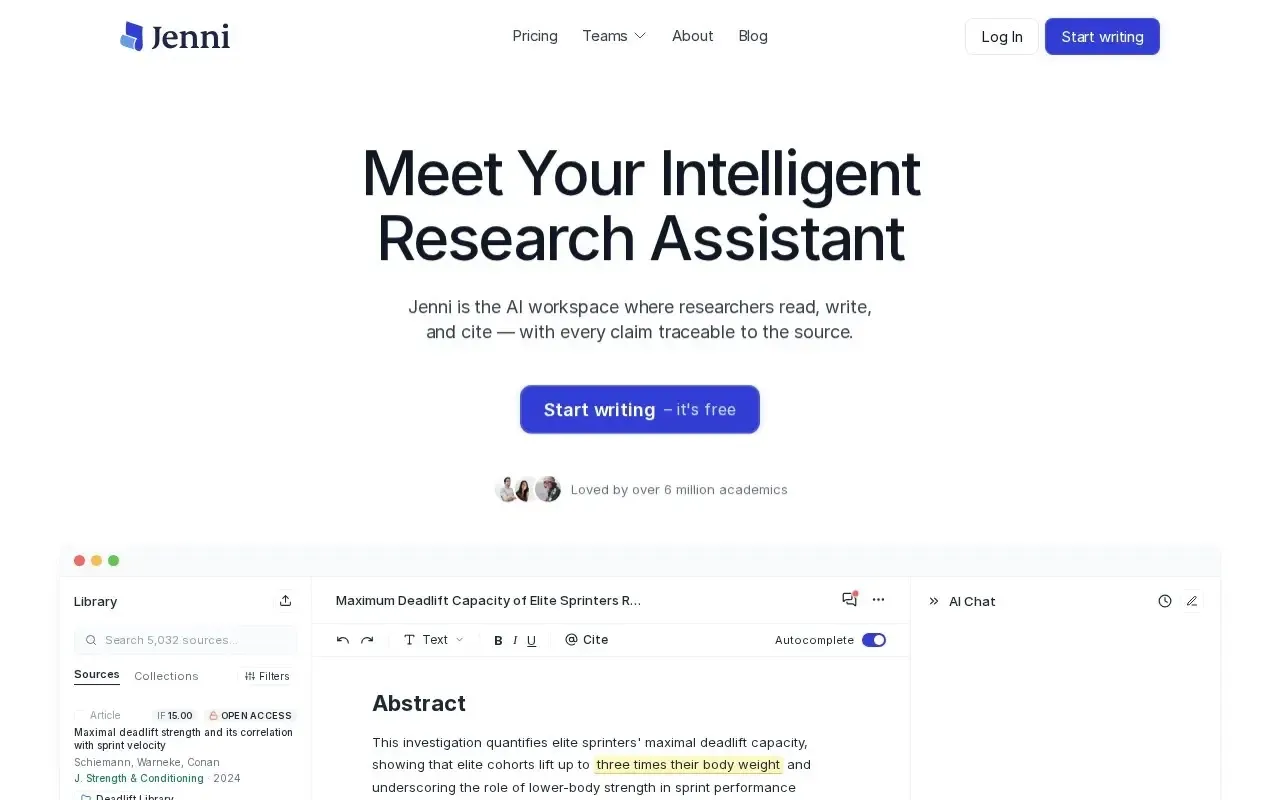
Jenni AI
AI writing assistant for essays and academic papers.
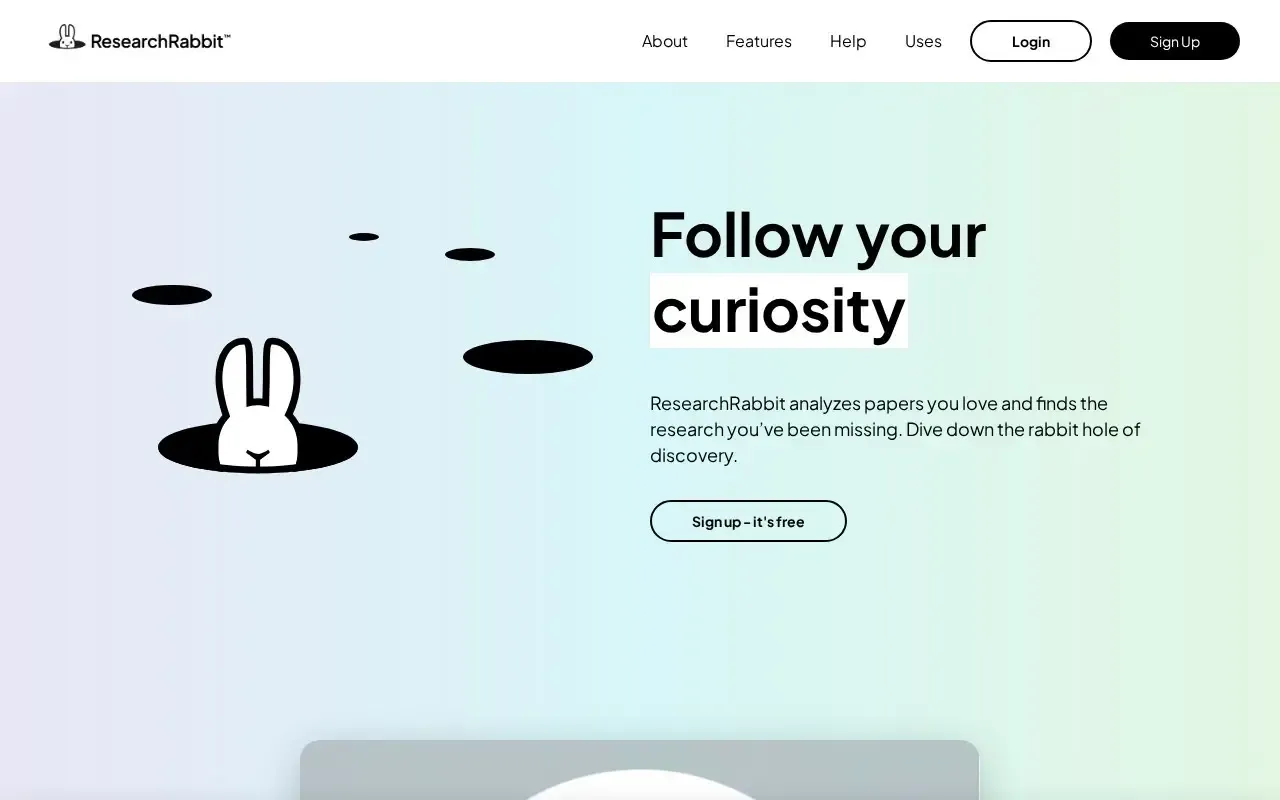
ResearchRabbit
Discover relevant papers and map research connections visually.
Scite
See how research papers cite and support each other.

ChatPDF
Chat with any PDF to get answers and summaries fast.

Connected Papers
Build a visual map of any research field fast.

Consensus
AI search engine that answers questions with real peer-reviewed research