AI in Morocco: The State of Artificial Intelligence in 2026
A clear, honest look at artificial intelligence in Morocco in 2026: strategy, tech hubs, universities, talent, language challenges and where things really stand.
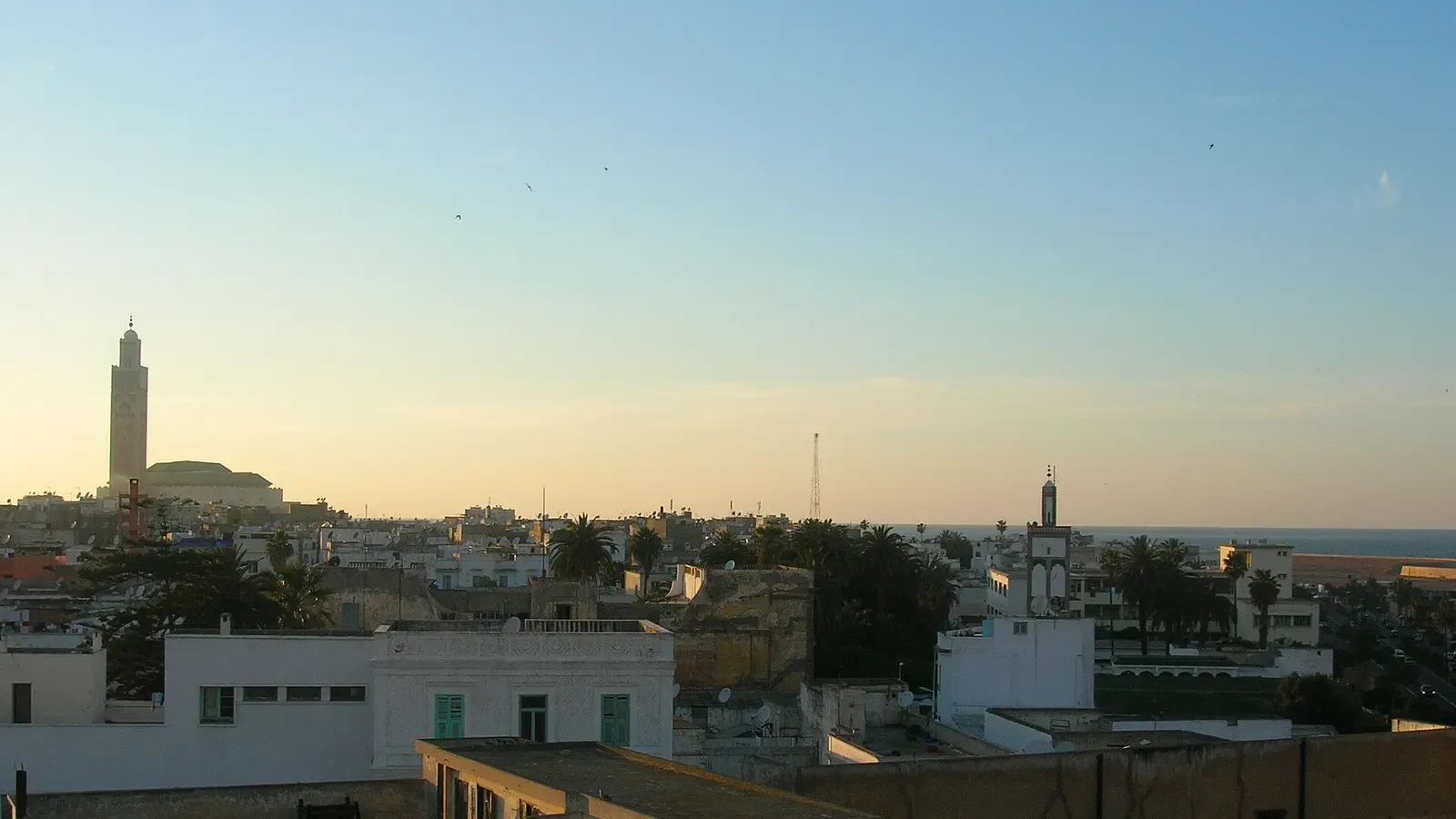
Ask ten people in Casablanca whether Morocco is “an AI country” and you will get ten different answers. Some point to banks quietly deploying fraud-detection models; others shrug and mention that their favourite chatbot still fumbles Darija. Both are right. Artificial intelligence in Morocco in 2026 is real, growing, and genuinely uneven, and that mix is exactly what makes it worth understanding properly rather than through hype.
Where Morocco actually stands
Morocco is not building foundation models from scratch, and it does not need to. The country’s advantage is applied AI: taking tools that already exist and putting them to work in banking, telecom, logistics, agriculture and the huge offshoring sector. A young population, multilingual talent and a maturing startup scene give it real momentum.
At the same time, honesty matters. Adoption is concentrated. Big firms and forward-looking startups move fast, while many small and medium businesses are still at the “should we try ChatGPT?” stage. That gap is the central story of AI in Morocco right now, and closing it is where most of the opportunity lives.
The national picture
AI does not sit in a vacuum here. It rides on top of Morocco’s wider push toward digital transformation, most visibly the Digital Morocco 2030 (“Maroc Digital 2030”) plan led by the Ministry of Digital Transition and Administration Reform. The Agence de Developpement du Digital (ADD) supports digital projects across public services and the wider economy.
The practical effect for a business owner or student is simple: infrastructure, connectivity and digital public services keep improving, which is the ground floor everything else is built on. If you want the strategy in depth, read our companion piece on Morocco’s digital strategy and the road to an AI economy. For exact budgets, targets and timelines, always check the official sources, since these evolve.
The tech hubs powering it
Moroccan tech is not one city. A handful of clusters each play a role:
- Casablanca is the economic engine, home to Casablanca Finance City and the densest concentration of corporates, banks and startups.
- Rabat anchors public institutions, research and engineering schools.
- Tangier blends industry, logistics and a growing digital scene.
- Marrakech adds tourism-driven tech and a lifestyle draw for remote talent.
Threaded through several of these cities are Technopark centres (Casablanca, Rabat, Tanger, Agadir and more), which give young companies affordable space and a community. For a founder, the map matters less than the takeaway: you are rarely far from a hub.
Talent and universities
If there is one thing Morocco does not lack, it is technical talent. The education pipeline is genuinely strong:
- Mohammed VI Polytechnic University (UM6P) in Ben Guerir, through its College of Computing, is a serious centre for data science and AI.
- Al Akhawayn University in Ifrane brings an English-language, liberal-arts-meets-tech model.
- ENSIAS in Rabat (part of Mohammed V University), along with INPT, ENSA and ENSAM engineering schools, produces computer-science and AI graduates every year.
- 1337, the free, project-based coding school in the “42” network, runs campuses in Khouribga, Ben Guerir, Rabat, Tetouan and Mediouna, with no tuition and no teachers, just peer learning and real projects.
This is why global companies keep opening offshoring and R&D centres here: the talent is real, multilingual and cost-competitive. We go deeper in learning AI in Morocco.
The language question
Here is where Morocco’s story gets genuinely interesting for AI. Modern Standard Arabic and Tamazight are official languages, Moroccan Darija is what people actually speak day to day, and French dominates business and higher education. Most mainstream AI models were built with English first in mind.
That creates a real gap and a real opportunity. Researchers and startups are working on Arabic- and Darija-capable systems, and getting this right unlocks tools that serve millions of people in their own voice. If language tools are your interest, we cover them in AI for Arabic and Darija, and you can explore conversational tools in the chatbots category.
What businesses are doing today
You do not need a research lab to use AI. Across Morocco, the practical wins look like this:
- Marketing teams drafting bilingual copy with writing assistants.
- Support desks deploying chatbots to handle common questions.
- Developers speeding up delivery with coding assistants.
- Small businesses automating repetitive admin with productivity tools.
For entrepreneurs specifically, we built a focused guide: the best AI tools for Moroccan entrepreneurs and startups.
Governance and trust
Trust is not optional. Morocco’s Law 09-08 governs the protection of personal data, overseen by the CNDP (Commission Nationale de controle de la protection des Donnees a caractere Personnel). Any serious AI deployment that touches customer data has to respect it. Treat privacy and compliance as part of the build, not an afterthought, and verify current requirements directly with the CNDP.
The honest bottom line
Morocco in 2026 is a country using AI more than it is a country building AI, and there is nothing wrong with that. The foundations, talent, hubs, strategy and connectivity are in place. The frontier is adoption: helping the majority of businesses move from curiosity to real use, and building language tools that fit how Moroccans actually communicate.
If you want to start from where you are, the fastest step is to match one real task to one good tool. Browse our hand-picked directory of AI tools and pick something you can put to work this week.
Frequently asked questions
Is artificial intelligence widely used in Morocco?
Adoption is growing but uneven. Larger companies in banking, telecom and offshoring lead the way, while many small businesses are only beginning to experiment with tools like chatbots and writing assistants. Check current reports for the latest figures.
Does Morocco have a national AI strategy?
AI sits inside Morocco's broader digital transformation effort, notably the Digital Morocco 2030 plan led by the Ministry of Digital Transition and Administration Reform, with support from the Agence de Developpement du Digital. Verify current details on official sources.
Where is AI research strongest in Morocco?
Universities such as Mohammed VI Polytechnic University, Al Akhawayn, and ENSIAS at Mohammed V University are active in data science and AI. Coding schools like 1337 also feed the talent pipeline.
Explore the AI tools mentioned here
Browse AI Tools — a curated directory with a full page for every tool.